




Hard water vs soft water is more than a comfort debate—it determines how long faucets, shower valves, and heaters actually last. This contractor’s guide explains what the chemistry does, how it shortens fixture lifespan, and the simple steps that prevent scale, corrosion, and callbacks.
Why does water quality matter in hard water vs soft water regions?
Chemistry drives wear. Hardness (calcium and magnesium) is measured in mg/L as CaCO3 or grains per gallon. The U.S. Geological Survey classifies 0–60 mg/L as soft, 61–120 moderately hard, 121–180 hard, and >180 very hard. There is no federal limit for hardness because it is not a health contaminant. Practically, hard water promotes scale; very soft, low‑alkalinity or low‑pH water can be more corrosive. First read the local Consumer Confidence Report (CCR). Next, quick‑test hardness, alkalinity, and pH on site. Then tune materials and maintenance to match. USGS
How does hard water cause scale‑driven failures you can avoid?
Scale precipitates as calcium carbonate. It clogs shower nozzles, packs aerators, and coats cartridges. Result: higher friction, noisy movement, weak or uneven flow, and stuck limit stops. Heat worsens it—scale insulates metal, raising temperature and stressing gaskets and elements. Long‑term tests show gas storage heaters lose efficiency with heavy scale and electric elements fail more when fouled. Treating scale tends to reduce corrosion on test coupons too. The takeaway: control deposits and fixtures last longer. OSTI
When does soft water increase corrosion risk instead?
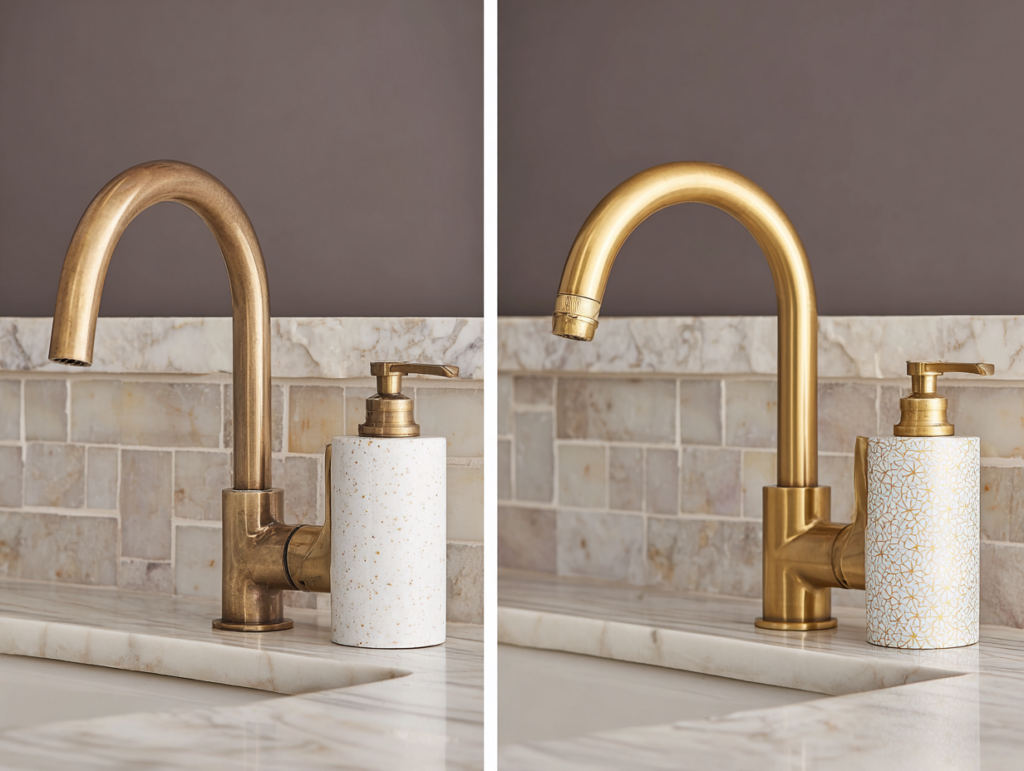
“Soft” is not always gentle to metals. Risk rises with low alkalinity (poor buffering), lower pH, or elevated chlorides, which destabilize protective films on brass and stainless. Many utilities add orthophosphate to form a protective film; effectiveness depends on dose, pH, and dissolved inorganic carbon. Two rules: cation‑exchange softeners do not change pH, dissolved oxygen, or TDS, so they neither cause nor prevent corrosion by themselves; and where chlorides are higher (coastal wells, splash‑and‑dry spaces), favor chloride‑resistant materials and design out crevices. WQA EPA
What is the fastest on‑site check for hard water vs soft water?
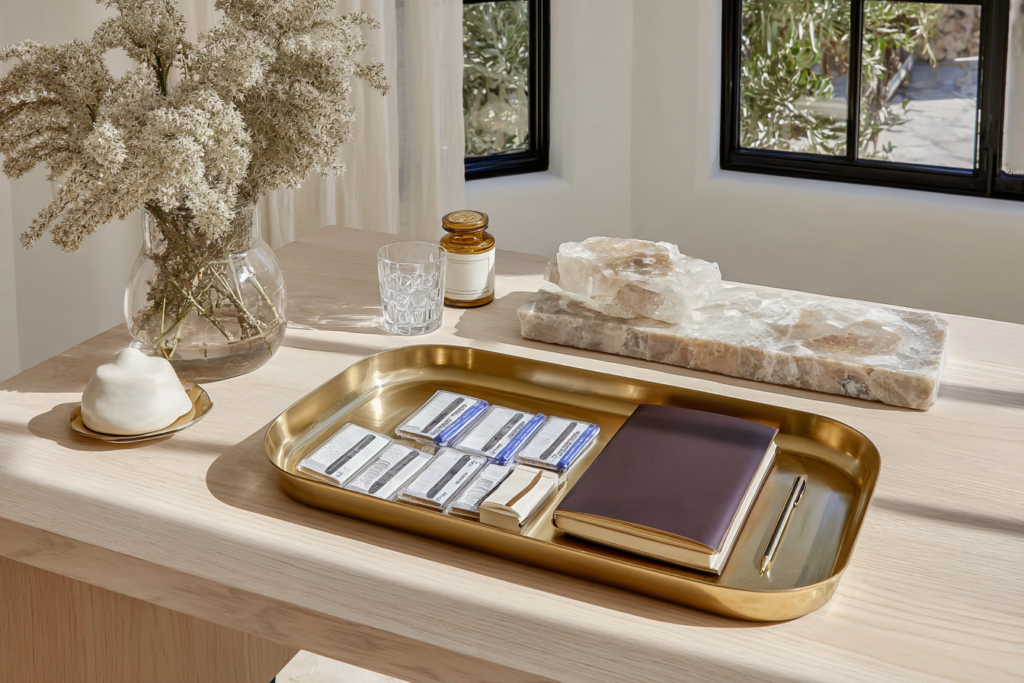
Keep it to three numbers and one trend index.
- Hardness: 0–60 mg/L soft; 61–120 moderately hard; 121–180 hard; >180 very hard. Expect more scale control above ~120 mg/L.
- Alkalinity: <75 mg/L = less buffering and more pH drift risk in small systems.
- pH: aim for ≥7.0 in mixed‑metal systems; 8.0–8.5 often stabilizes protective films in distribution. Use LSI/RSI as directional flags, not lifespan calculators. Measure first, then specify. USGS
Which metals and finishes last longer across hard water vs soft water?
Match metal to environment.
- Brass internals: Choose DZR (dezincification‑resistant) brass for aggressive, hot, or stagnant conditions.
- Stainless externals and fasteners: Prefer 316/316L where chlorides run higher or where splash‑and‑dry cycles concentrate salts; 304 is fine indoors with good design and cleaning.
- Finishes: PVD resists abrasion and routine cleaning. Avoid bleach, strong acids/alkalis, or abrasives on any finish.
- Flow parts: Specify cartridges rated for your pressure/temperature, with accessible aerators and silicone nozzles for easy descaling. Good design removes crevices and drains test water. BSSA
What commissioning steps cut callbacks in both conditions?
Start clean and document settings. Flush lines, rinse strainers, and set the temperature limit stop. Record the date and mixed temperature. Teach owners to soak aerators or wipe silicone nozzles if flow drops. Book a 90‑day check to re‑verify the limit stop and clean screens. Simple steps today prevent “weak flow” or “sticking handle” tomorrow. EPA WaterSense
How often should you service fixtures by hardness level?
Match effort to risk.
- Soft (≤60 mg/L): Inspect aerators/nozzles every 6 months; soak only if spotting is visible.
- Moderate (61–120 mg/L): Clean aerators/nozzles quarterly; rinse cartridge screens every 6–12 months; review pH/alkalinity annually.
- Hard to very hard (≥121 mg/L): Clean aerators monthly in high‑use baths; rinse cartridge screens quarterly; flush the water heater per manufacturer schedule; consider pre‑filtration or softening and set clear owner expectations. USGS
Why does the water heater magnify hard water vs soft water issues?
Heat accelerates deposition and stress. In multi‑year studies, scale drove about a 5% efficiency loss in gas storage heaters and contributed to electric element failure. Protecting the heater protects the whole system—fewer temperature swings, less noise, and longer cartridge life. Include heater flushing and anode checks in hard‑water handovers. OSTI
Which product details help in any water, day to day?
Choose details that make cleaning routine. Favor showerheads with silicone nozzles that wipe clean. Use compatible sealants and isolate dissimilar metals. In coastal or pool‑adjacent spaces, choose 316 fasteners and avoid designs that trap chlorinated splashes under escutcheons. After aggressive cleaning, rinse and wipe dry to protect finishes. BSSA
What belongs in a hard water vs soft water handover package?
Give the next team everything they need. Include:
- A water snapshot (hardness, alkalinity, pH, and whether the utility doses orthophosphate).
- The temperature limit stop record and commissioning date.
- An owner card: “If flow weakens, soak aerators/shower nozzles in white vinegar; never use bleach or abrasives.”
- Service parts list (aerator size/type, cartridge model) and inspection intervals.
- Warranty contact and a 90‑day courtesy check appointment. EPA WaterSense